
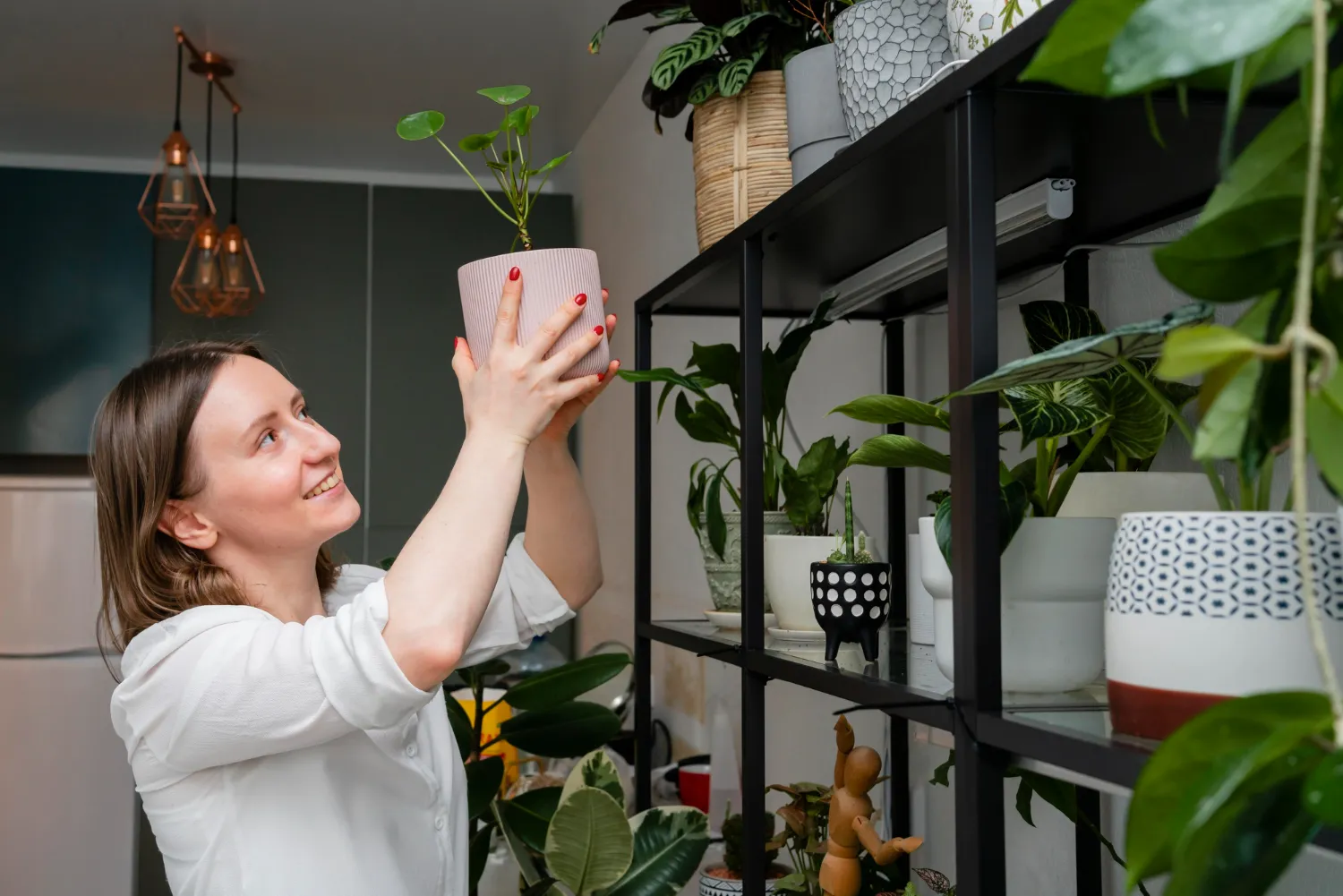
Is there something living in your loft?
Well, their could be – and it could just a wonderful place of peace and tranquility. It’s broadly acknowledged that spending time among plants, natural light and natural materials tends to make people feel calmer. Whether you like to talk to your plants, for their benefit or yours, we are often find ourselves in a mindful space when we’re in nature.
As the winter months start to close in, it’s not always convenient to pop out to Danson or Avery Hill Parks, even our gardens can a little drab and they prepare for the rush of Spring. Having your own indoor space can not only bring your loft to life and help it double from a practical spare room, office or workspace, to a restful place, where your plants can thrive – maybe you’re a Bonsai enthusiast, and you can while away a few hours, caring and hourishing your collection.
Whilst caring for our plants can escape the cloud of AI these days, Designers are never far away from introducing terminology – if only to make expensive sounding services. Researching for this article help me to discover: ‘ Biophilic design’.
So, maybe your loft is the perfect location – at the top of the house and its generous daylight, is the perfect place to put it into practice, and the benefits are felt every day.
What biophilic design means at home
It is not a strict style so much as a way of bringing the feeling of the outdoors into your rooms. Starting with natural light and natural materials such as wood, cotton, linen – where a trailing can live naturally. That might mean an oak floor underfoot, linen at the windows or a view of treetops from a roof window. The aim is a space that feels restful and connected to nature, even in the middle of a busy suburb.
Choosing plants for a loft
You loft may have plenty of daylight but can also become warm in summer, so it’s wise to be careful to choose plants that cope with those conditions and place them where they will thrive, alternatively, you can move then around the house through the seasons.
- Hardy, forgiving plants such as snake plants, spider plants and rubber plants cope well with a range of conditions.
- Trailing plants like pothos look lovely on high shelves and ledges, softening the lines of the room.
- Larger floor plants make a bold statement in a corner beneath a roof window.
Plants are often said to freshen the air, though their strongest and most dependable benefit is the sense of calm and character they bring, which is reason enough to include them.
Natural materials and textures
Alongside greenery, natural finishes give a loft warmth and depth. Solid wood or engineered oak flooring, wool rugs, rattan and cane furniture, linen curtains and stone or clay-based paints all feel good to touch and look good in daylight. Earthy colours, from soft greens to warm sand and clay tones, tie the scheme together without effort.
Designing in the details
Because a loft is built from scratch, you can plan for greenery from the start. Deep windowsills, built-in shelves and ledges give plants a home without taking up floor space, and a position near a roof window means they receive the light they need. It is wise to keep watering practical, with trays and saucers where water could drip, and to avoid placing heavy planters in areas that have not been designed to carry the weight.
Why it works so well upstairs
A loft is naturally quiet and set apart from the bustle of the rest of the house, which suits a calm, nature-inspired scheme. Add generous daylight and views of the sky or the treetops, and you have the ingredients for a room that feels like a retreat. Many homeowners tell us it becomes the place they go to unwind.
Small touches that make a difference
- A view you enjoy. Placing a roof window or dormer to frame a tree or open sky brings the outside in.
- Soft, organic shapes. Rounded mirrors, curved furniture and woven baskets echo natural forms.
- Natural fabrics. Linen, cotton and wool feel good and age gracefully.
- Dried and fresh flowers. A simple vase of seasonal stems adds life and changes with the year.
Questions often asked
What if I do not have a green thumb? Choose tough, forgiving plants, or start with one or two and build up. Good natural light does much of the work for you.
Bring a little nature upstairs
A biophilic loft is one of the gentlest and most rewarding ways to make a conversion feel special, and it does not need to cost a fortune. If you are thinking about a calm bedroom, a quiet study or a bright reading retreat, we would love to hear your ideas. Our estimates are free and fixed-price, and previous clients are happy for you to view finished lofts by appointment. You’re also welcome to visit our showroom by appointment. Just call or email us to arrange a time.